


For most of the last century, cities treated rainwater as an enemy to be removed as quickly as possible, channelled into pipes, sealed under concrete, and rushed out of sight. As storms grow more intense and more frequent, that century-old logic is failing. When rain falls faster than infrastructure can cope, hard, impermeable cities flood.
The "sponge city" offers the opposite philosophy. Rather than pushing water away, a sponge city is designed to absorb rainfall where it lands, slow its journey, clean it naturally, and store it for when it is needed.
The concept was pioneered by the visionary Chinese landscape architect Kongjian Yu, who argued that wetlands, permeable surfaces, parks and green roofs could do the work of concrete drains. Yu, who was tragically killed in a plane crash in Brazil in September 2025, leaves behind a movement now reshaping cities around the world.
The principle is simple: work with water, not against it.
Cities putting it into practice
As climate change exposes how poorly our cities cope with extreme weather, designing for resilience has never been more urgent. Here are three places embracing the "sponge city":
-
China made the sponge city official national policy in 2014. Beginning with 16 pilot cities in 2015 and a further 15 in 2016, the programme has since shaped urban development across dozens of cities, blending restored wetlands and green corridors with conventional infrastructure.
-
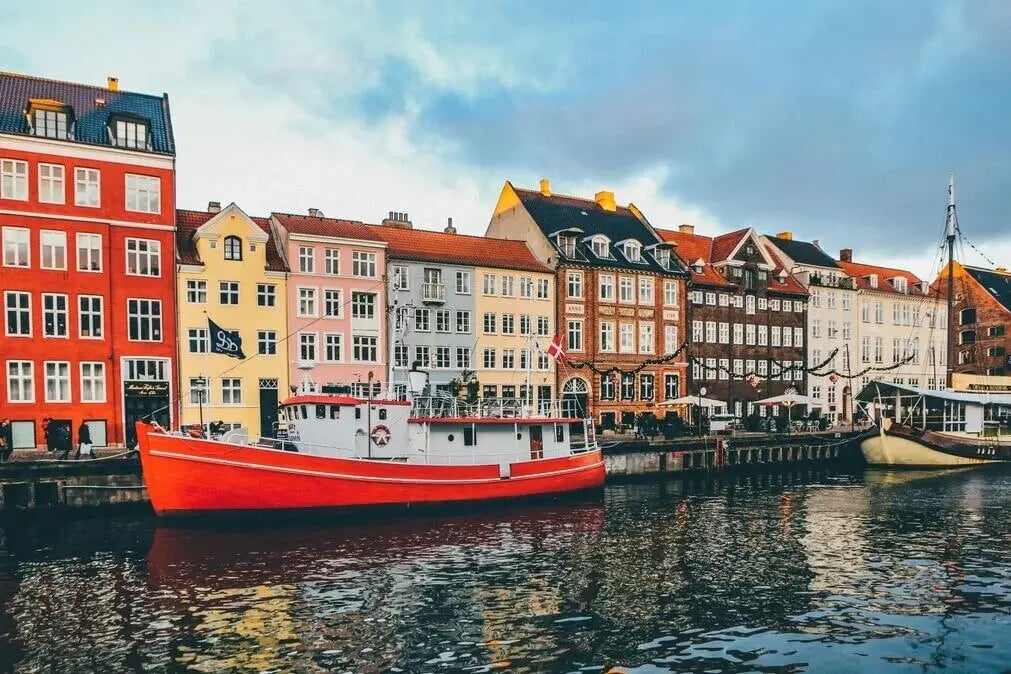
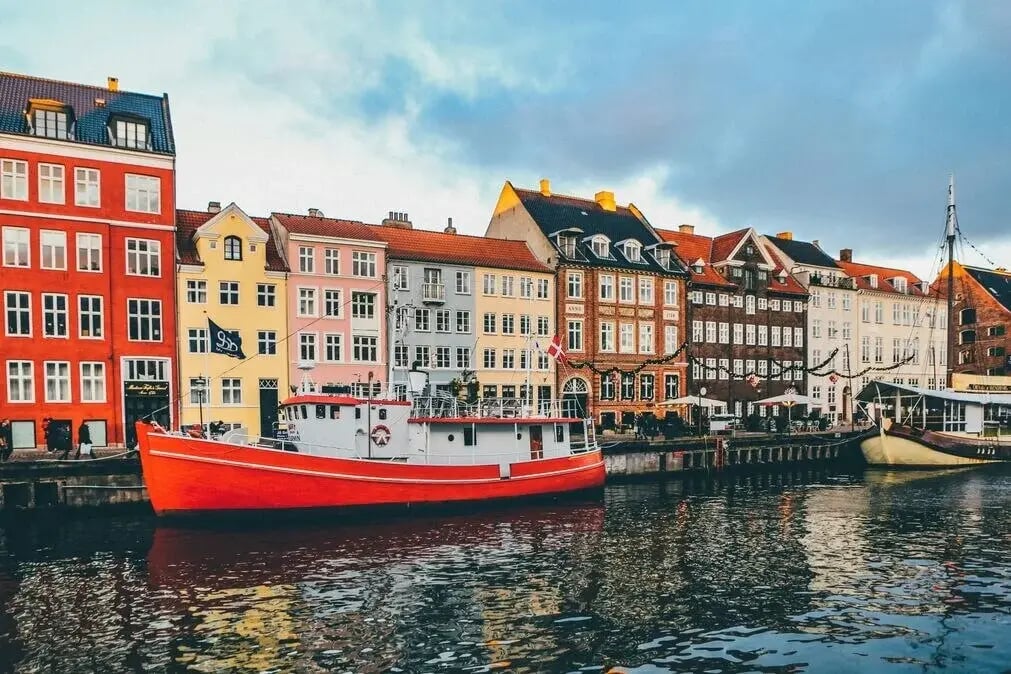
Copenhagen acted after a catastrophic 2011 storm caused close to a billion euros of damage. Its Cloudburst Management Plan combines green infrastructure - parks engineered to hold water, permeable squares - with tunnels that redirect storm runoff, a pragmatic hybrid now widely imitated.
-
Auckland topped Arup's ranking of the world's "spongiest" cities, with roughly half of its land covered by green or blue infrastructure - a reminder that geography and existing green space give some cities a head start.
What unites them is a shift in mindset towards engineering ways to soak in water, slow it down, and store it rather than draining it away.
More than flood defence
Here is what we find most exciting. A sponge city is almost always a biodiversity strategy in disguise.
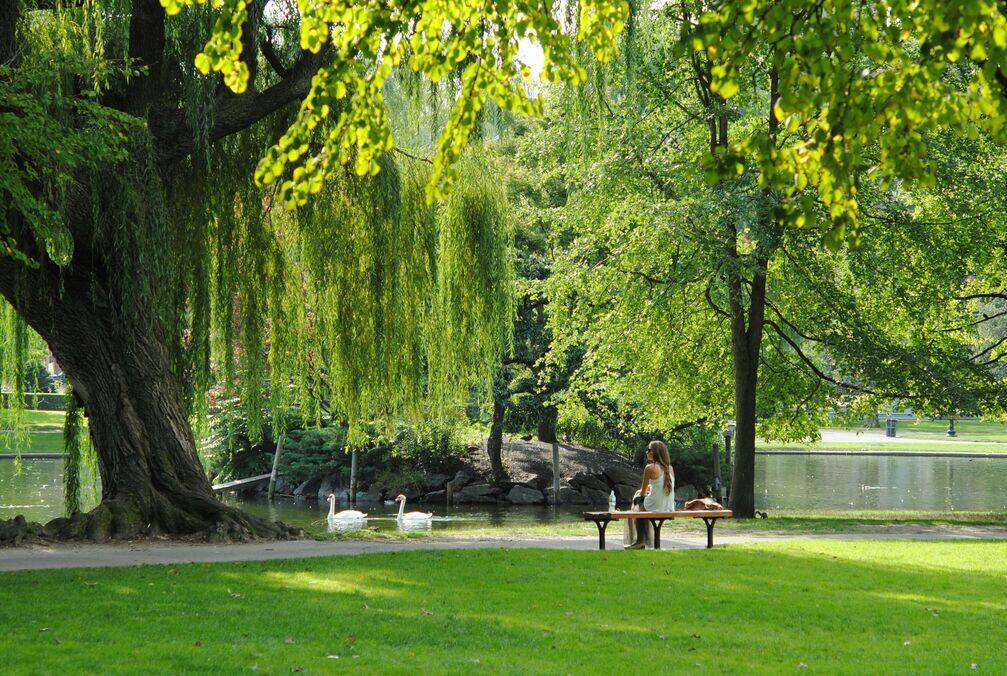
The wetlands, rain gardens, bioswales and green roofs that absorb stormwater are also valuable habitats. Researchers note that these features support a wide range of urban wildlife (birds, pollinating insects, amphibians and small mammals) and that linking them creates green corridors along which species can move, nest and forage. In a world where more than half of us now live in cities, these pockets of nature are increasingly where many people encounter biodiversity.
Take the green roof, a staple of sponge-city design. As green roof expert (and co-founder at Gentian) Dusty Gedge has written, a well-designed biodiverse roof serves two purposes: it slows and stores rainwater while turning unused space into genuine habitat, acting as a "stepping stone" that lets pollinators and birds move across otherwise disconnected patches.
The same logic runs through the whole sponge city toolkit: the green infrastructure that holds back floods also cools streets during heatwaves, filters pollutants and supports the pollinators our food systems depend on.
Green infrastructure hidden in plain sight
One of the largest sponges in any city is also one of the most overlooked: its gardens. Taken together, domestic gardens make up a remarkable share of urban green space - yet that capacity is increasingly being lost to paving. The RHS State of Gardening Report 2025, the first study to map Britain's gardens, used Gentian’s ultra-high-resolution satellite imagery and AI technology, and found that around 42% of garden space is now paved over.
Every paved-over front garden is a small piece of sponge removed. The RHS is encouraging gardeners to reverse the trend with permeable paving, robust planting and simple rainwater capture - in effect, restoring private gardens as part of a city's flood defences.
-1.jpg?width=942&height=723&name=simon-infanger-w6KxJ7aZpCg-unsplash_optimized_200%20(1)-1.jpg)
Could Biodiversity Net Gain (BNG) help make the UK spongier?
There may be a useful policy tailwind here too. Since 2024, most new developments in England must deliver a biodiversity net gain (BNG) of at least 10%, and the new National Standards for Sustainable Drainage Systems, published in 2025, explicitly link drainage to biodiversity, landscape quality and flood resilience.
The features at the heart of sponge city design can earn biodiversity units while managing stormwater, which means a single intervention can satisfy both a drainage requirement and a nature requirement at once.
The bottom line
The sponge city is not a silver bullet. Most successful examples pair green infrastructure with conventional engineering, and retrofitting dense, paved cities is slow, costly work. But the direction of travel is clear. As extreme rainfall becomes the norm, the cities that thrive will be the ones that make room for water and for nature at the same time.
Kongjian Yu's insight was that the two goals were never in conflict. A city built to absorb a storm is also a city with more wetlands, more trees, more life. The challenge now is to build them well.
.jpeg?width=400&height=250&name=Untitled%20(18).jpeg)
.jpg?width=400&height=250&name=64a5ca88-c772-4797-8887-035bc500bc05_optimized_300%20(1).jpg)