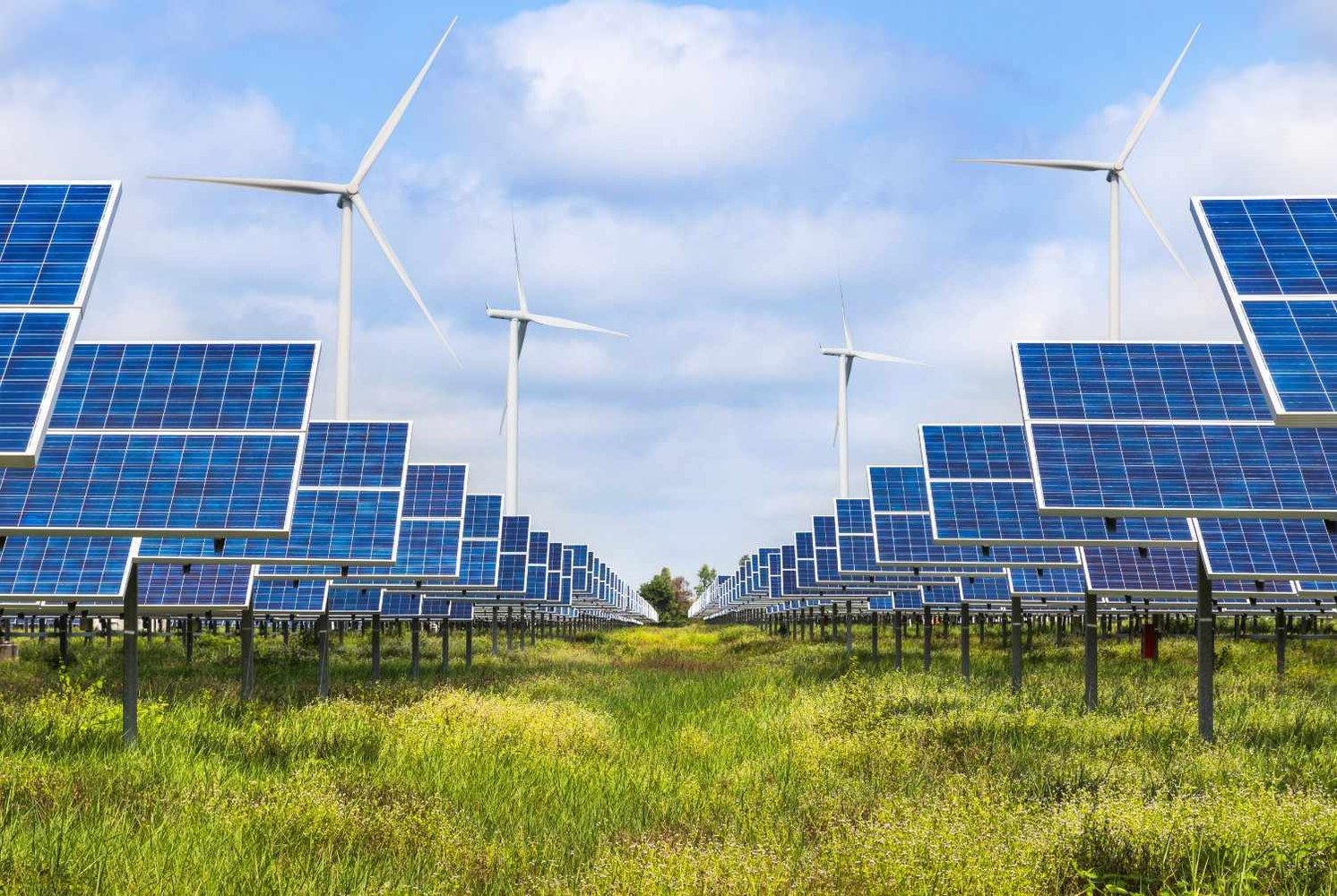
What is renewable energy? In simple terms, it is energy derived from natural processes, such as sunlight, wind, moving water, geothermal heat, and organic materials, that are replenished at a faster rate than they are consumed.
These clean energy sources play a critical role in fighting the climate crisis by cutting greenhouse gas emissions and providing sustainable power.
However, alongside the global benefits of clean energy come local environmental trade-offs. Indeed, the pros and cons of renewable energy are often a balance between worldwide gains (like reduced carbon pollution) and site-specific impacts on nature (such as effects on wildlife and habitats).
For sustainability and risk leaders at large organisations, understanding these nuances is crucial.
This blog will explore the environmental pros and cons of renewable energy through the lens of their impact on the natural world. We’ll highlight the key ecological advantages of shifting to renewables, as well as the nature-related risks that large-scale renewable projects can pose. Importantly, we will discuss how these trade-offs can be managed.
Jump to:
- The 7 Types of Renewable Energy and How They Impact Nature
- Key Ecological Advantages of Renewable Energy
- The Nature-Related Risk of Renewable Energy Projects
- Solutions for Negative Impacts
Gentian’s expertise in AI-powered, high-resolution satellite imagery provides the precision data and speed needed to conduct site assessments and mitigate risks, ensuring that renewable energy developments meet both energy needs and ecological preservation goals.
The 7 Types of Renewable Energy and How They Impact Nature
Renewable energy comes in many forms, each suited to different conditions. Below we briefly define seven major types and highlight how they can impact nature (we’ll explore their pros and cons in depth later):
Wind Energy
Wind energy captures the kinetic force of moving air using large elevated rotor blades that turn a generator, converting atmospheric energy into electrical power.
This carbon-free source can still affect nature:
- Habitat & Land Use: Each turbine can disturb around 3,000 m² of land through vegetation clearance and access roads. Large sites may fragment habitats and reduce soil health, with one site in China losing 18,000 tonnes of soil carbon in 10 years.
- Wildlife: Wind turbines can cause bird and bat mortality through blade collisions. Estimates range from 4 to 18 bird deaths per turbine per year, which could sum to an estimated one million birds killed annually in the US (and over 5 million globally).
- Noise Pollution: Turbine noise and shadow flicker can disturb nearby wildlife and communities. While modern designs reduce impact, sensitive species may still show stress or avoidance. Setbacks and technology help minimise these effects.
Solar energy
Solar energy converts sunlight directly into electricity (via photovoltaic cells) or into heat (via concentrating solar-thermal mirrors).
It is versatile and scalable, but large installations can influence local ecosystems in several ways:
- Habitat & Land Use: Utility-scale solar farms often cover vast areas. They frequently replace native habitats (grasslands, deserts, even wetlands) with fields of panels, leading to habitat loss and fragmentation.
- Water Use: In arid regions, cleaning solar panels can strain limited water supplies. Traditional methods use large volumes, undermining sustainability goals. New waterless technologies offer a solution.
- Wildlife Risks: Solar panels can create a "lake effect," leading birds to collide with reflective surfaces. Solar towers concentrate sunlight, posing a risk of lethal burns to flying species. Reducing solar flux helps lower bird mortality.
- Waste: Solar panels have long lifespans (20–30 years) but eventually must be disposed of or recycled. End-of-life panels may contain hazardous materials like lead or cadmium, posing disposal and leaching risks without robust recycling.
Hydroelectric
Hydroelectric power taps the gravitational energy of elevated or flowing water, usually via dams that drive turbines.
Hydropower is a steady, large-scale energy source, but damming rivers profoundly alters ecosystems:
- Habitat Loss: Converting a free-flowing river into a static reservoir fundamentally changes the environment. Riverine habitats give way to lake-like conditions, which can be unsuitable for species adapted to currents. Reservoir creation floods forests, wetlands, and valleys, destroying terrestrial habitats and displacing wildlife.
- Aquatic Life: Dams block fish migration and disrupt river continuity. Species like salmon are severely affected, leading to population collapse in many regions.
- Sediment Flow: Dams trap sediments that naturally replenish downstream ecosystems, causing erosion and delta retreat.
Geothermal energy
Geothermal energy exploits the Earth’s internal heat by tapping hot water/steam from underground. Power plants either flash steam directly or use heat exchangers to generate electricity, and can also provide direct heating.
Geothermal has a small land footprint, but environmental impacts include:
- Water Quality: Fluids may carry heavy metals like arsenic and mercury. Without closed-loop systems, leaks can contaminate groundwater.
- Air Emissions: Some plants release hydrogen sulphide and trace gases. Although minimal, these can contribute to local air pollution if not managed.
- Induced Seismicity: Although this is not a major threat, it’s worth noting enhanced geothermal systems (EGS), which fracture hot dry rock, have caused minor earthquakes in a few projects.
Tidal/Wave Energy
Tidal power harnesses the rise and fall of ocean tides (often via barrages or tidal turbines), and wave energy converters capture energy from surface waves. These technologies are emerging, with a few large-scale projects.
Their potential ecological impacts include:
- Marine Life: Devices generate electromagnetic fields and noise, during construction (e.g. pile-driving) and operation (turbine hum or hydraulic machinery), potentially disrupting navigation in sensitive marine species like sharks or sea turtles.
- Ecosystem Change: Tidal barrages alter estuarine flow and sedimentation, reducing mudflats and impacting migratory bird feeding areas.
Biomass
Biomass energy involves burning or fermenting organic material, such as wood, crop residues, or dedicated energy crops, to generate heat, electricity, or biofuels. It’s essentially stored solar energy in chemical form.
While biomass is renewable (if regrown sustainably), its large-scale use presents environmental considerations:
- Air Quality: Combustion releases particulates, nitrogen oxides, and carbon monoxide. Without proper filtration, biomass can be as polluting as fossil fuels.
- Land Use: Growing biofuel crops at scale leads to monocultures replacing diverse ecosystems, water stress, and potential deforestation if not well managed.
- Soil & Water Impact: Intensive cropping may degrade soil and pollute waterways via fertiliser and pesticide runoff.
Hydrogen
Hydrogen is not a primary energy source but an energy carrier. It can be produced by splitting water using electricity (ideally from renewables, yielding “green hydrogen”), and then used in fuel cells or burned to release energy with zero emissions at point of use (only water vapour is emitted).
Hydrogen produced from natural gas ("blue" or "grey" hydrogen) involves fossil fuels, CO₂ emissions, and methane leakage unless carbon-captured. In contrast, green hydrogen from renewables primarily raises concerns around leakage and water use.
Hydrogen offers a way to store renewable energy and power hard-to-electrify sectors, but environmental considerations include:
- Water Use: Producing hydrogen via electrolysis requires around 9 litres of water per kg of hydrogen, potentially stressing supplies in arid regions.
- Leakage Risk: Hydrogen leakage can indirectly extend the atmospheric life of methane, a potent greenhouse gas, by interfering with natural methane breakdown processes.
Key Ecological Advantages of Renewable Energy
Transitioning to renewable energy is not just a matter of climate policy, it forms the foundation for long-term corporate resilience and regulatory compliance in a carbon-constrained world. The advantages of renewable energy are broad and systemic.
Below, we highlight the key ecological advantages and connect them to corporate ESG priorities and frameworks. Gentian’s data-driven approach can help organisations quantify these benefits and strengthen their sustainability strategies.
Mitigates Climate Risk
Renewable energy sources produce little to no greenhouse gas emissions during operation. Embracing wind, solar, and other clean power is paramount for meeting corporate Net Zero targets.
For example, the International Energy Agency projects that ~90% of global electricity must come from renewables by 2050 to reach net-zero.
By cutting emissions, renewables help mitigate global climate risks and lessen the threat of climate-related disruptions to business.
Indeed, many ESG frameworks (from CDP to the EU Taxonomy) reward demonstrable emissions cuts. By utilising renewables, companies both improve air quality and address climate change in one stroke, a core concern for climate reporting and corporate sustainability strategies.
Restores Air and Water Integrity
Replacing fossil fuels with renewables immediately cuts harmful air pollutants and reduces strain on water resources. Replacing a coal or diesel generator with solar/wind eliminates the release of sulphur dioxide, nitrogen oxides, particulate matter, mercury and other pollutants.
Cleaner air means immediate public health benefits. A recent study found that in the US, wind and solar power from 2019–2022 delivered $249 billion in combined climate and health benefits, largely by cutting SO₂ and NOₓ emissions and preventing an estimated 1,200–1,600 premature deaths in 2022 alone.
Renewables also use far less water: unlike coal or nuclear plants that withdraw huge volumes for cooling, solar panels and wind turbines consume virtually no water in operation. This restoration of air and water quality is a major environmental gain of the renewable transition.
Relieves Pressure on Finite Resources
Sunlight, wind, and geothermal heat are continuously replenished, reducing the need to extract limited fossil fuels.
Using these inexhaustible sources eases demand for finite reserves, for perspective, current oil and gas reserves could be largely exhausted in roughly 50 years at today’s consumption rates.
From a sustainability perspective, using perpetually replenished resources aligns operations with the reality of a finite planet. It also helps meet growing investor and regulatory expectations (like the SEC’s climate risk disclosure rules) to demonstrate forward-looking risk management around resource scarcity.
By relieving pressure on dwindling resources, renewables also enhance long-term energy security.
Reduces Ecological Damage and Habitat Loss
Moving away from fossil fuels means avoiding much of the land and ecosystem destruction caused by mining and drilling. Renewable projects generally have a lighter footprint on habitats compared to coal mines or oil wells.
For example, mountaintop removal coal mining in Appalachia had destroyed about 1.4 million acres of forest by 2012, devastation that wind or solar farms would not cause.
Less habitat loss and pollution also supports corporate biodiversity commitments, like Biodiversity Net Gain goals. To learn more about Biodiversity Net Gain you can read our guide on this subject here.
Clean energy enables development without the severe ecological damage linked to traditional extraction, helping slow biodiversity loss and contributing to global targets like protecting 30% of land and sea by 2030.
This also lowers legal, reputational, and financial risks, aligning business growth with nature conservation.
Reduces the Ecological Footprint
Adopting renewable energy significantly shrinks the environmental footprint of power generation by avoiding the pollution and waste of fossil fuels.
Studies show that as the share of renewables rises, a country’s ecological footprint tends to fall.
Corporate sustainability strategies recognise that improving energy efficiency and switching to renewables are twin pillars for footprint reduction, it’s codified in standards like ISO 50001 for energy management and reflected in sustainability indices.
In short, renewable energy provides a dual benefit: it safeguards nature and the climate while future-proofing operations in an increasingly sustainability-focused environment.
The Nature-Related Risk of Renewable Energy Projects
While renewable energy delivers immense global benefits, the rapid deployment of new infrastructure introduces local trade-offs, the disadvantages of renewable energy that sustainability leaders must address.
Key nature-related risks include:
Land Use
Renewable installations often require far more land than equivalent fossil-fuel plants.
For example, a utility-scale solar farm might need around 10 acres per megawatt, far more space than a traditional power station.
This quickly adds up to 100+ MW facilities. This extensive land-use change can convert farmland, forests, or uncultivated land into industrial energy sites and can lead to land-use conflicts with agriculture or conservation interests.
Renewable energy projects cause both direct habitat loss and indirect impacts like road construction, human disturbance, and altered land cover (e.g. solar panels changing local climate). In land-scarce areas, they may trigger conflicts over land rights.
Companies face risks from permitting delays and future restoration obligations. Careful siting and land-use planning are essential to manage these land footprint challenges.
Habitat Displacement
Building turbines, solar farms, and new transmission lines fragments ecosystems and can displace wildlife.
Habitat fragmentation reduces biodiversity by cutting off migration corridors and disturbing breeding areas, for instance, studies show some ground-nesting birds avoid areas near wind turbines.
These impacts are drawing growing regulatory and financial attention. Frameworks like TNFD push companies to assess nature-related risks, such as harming endangered species.
Developers may be required to offset biodiversity loss through restoration. Failure to manage these impacts can lead to legal issues, project delays, and reputational damage.
Intermittency and Uncertainty
A key operational challenge of renewables is their intermittency, they rely on natural forces like sun and wind, which vary unpredictably.
This creates supply uncertainty and requires investment in energy storage, smart grids, or backup systems to maintain reliability. These solutions add cost and complexity to energy management.
For companies, this means grid reliability and financial risks. Power shortages or curtailments can disrupt operations, while costs rise when backup power is needed or energy must be bought at high market prices.
Though not environmentally harmful, intermittency demands innovative approaches to forecasting and system integration.
Low Efficiency
Some renewables still operate at lower energy conversion efficiency than traditional power plants.
For instance, standard solar panels convert only 15–20% of sunlight into electricity, while natural gas plants can reach 60% efficiency.
Wind turbines perform better in ideal locations but still fall below their theoretical maximum.
Lower efficiency means more units and materials are needed to produce a given amount of energy, potentially increasing the resource and land footprint per unit of power.
End-of-Life Disposal
The disposal of solar panels, wind turbine blades, and batteries is a growing issue.
After their 20–30 year lifespans, a huge volume of renewable energy equipment will enter the waste stream (one study estimates roughly 78 million tonnes of solar panels could accumulate by 2050).
This waste can leach hazardous substances, for example, panels may contain lead or cadmium, and fiberglass turbine blades are difficult to recycle.
Without proper recycling and disposal plans, these materials could create long-term pollution risks, partly offsetting the environmental gains of renewables.
Proactively identifying and mitigating these nature-related risks is crucial, and precision data can help ensure renewable projects balance energy needs with ecological preservation.
Solutions for Negative Impacts
Even the most challenging impacts can be mitigated with the right strategy and technology. In this section, we transition from problems to solutions, highlighting how data intelligence and proactive planning can drastically reduce negative impacts on nature.
Gentian’s tools, such as True Oracle, are designed to provide exactly these capabilities. Through AI-powered solutions renewable energy developers can de-risk projects and safeguard nature:
Risk Mitigation
Effective risk mitigation starts with smart planning. Before construction, companies should assess environmental risks, like flood zones, unstable terrain, critical habitats, and cultural sites, and avoid them wherever possible.
For example, mapping floodplains helps prevent building solar farms in areas prone to water damage, while checking land stability avoids erosion-prone turbine sites.
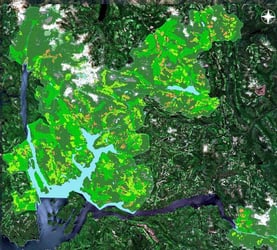
Gentian’s True Oracle uses very high-resolution satellite imagery and AI to identify environmental sensitivities on proposed sites. Our AI analyses can highlight, say, wetlands (even small ones) or peat bogs that store carbon (important for both climate and compliance reasons), individual hedgerows or forest patches.
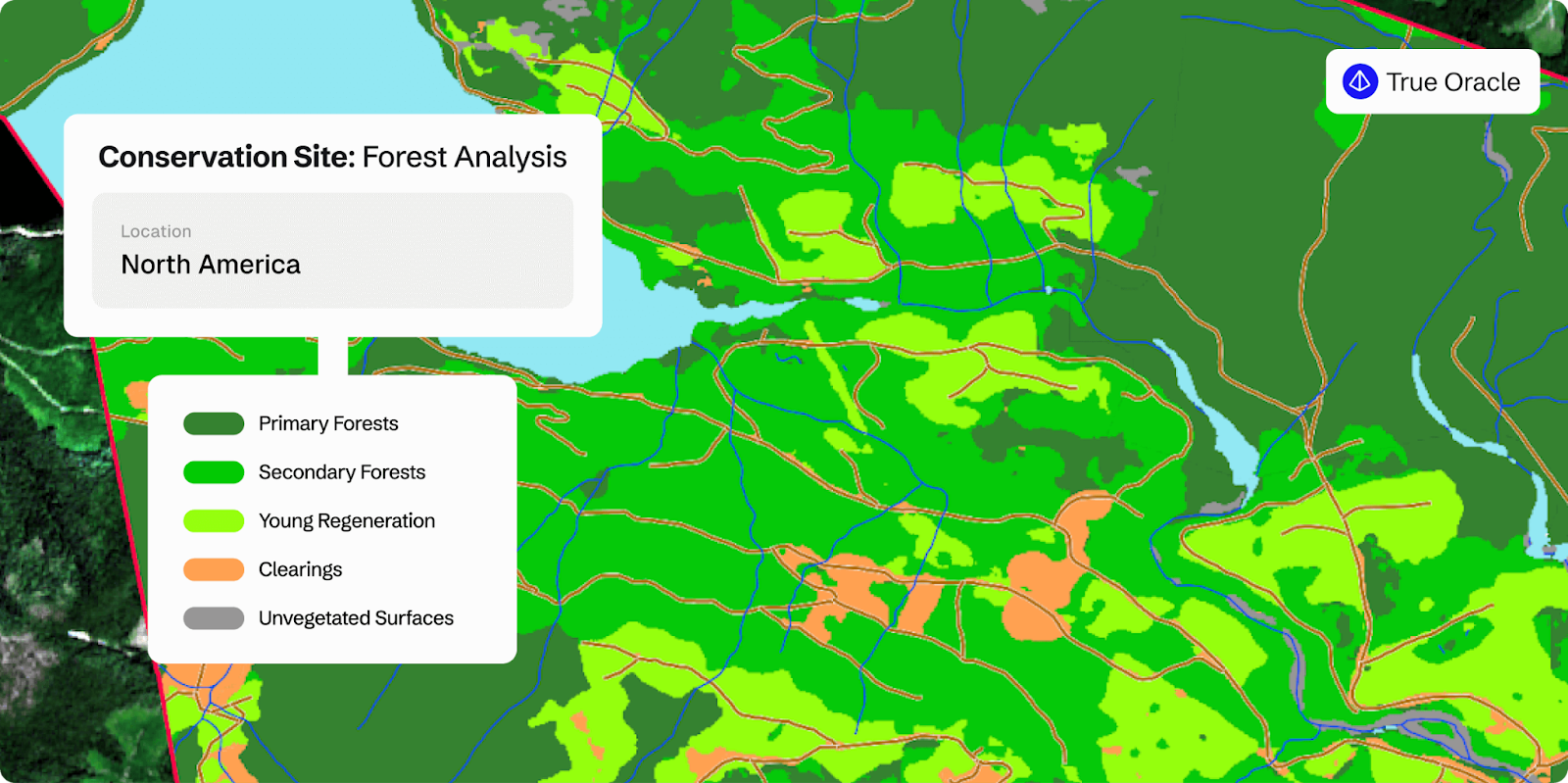
Armed with such data, CSOs/CROs can make informed decisions on layout or whether additional mitigation (like creating buffer zones, adjusting turbine layouts, timing construction outside breeding seasons) is needed.
Early identification of environmental risks, like fragile habitats or unstable terrain, allows developers to adjust designs proactively, minimising ecological damage and reducing long-term project risks.
[For more detail, see our True Oracle services page.]
Precision Site Assessment
Gentian can remotely map an entire project area’s habitats and biodiversity in days, providing a comprehensive ecological baseline far faster than traditional field surveys.
This precision data enables informed decisions and helps ensure regulatory compliance (for example, in environmental impact assessments) without delaying project timelines.
[Learn more about our Habitat Mapping services here.]
Continuous Monitoring
Rapid, repeatable remote monitoring allows continuous oversight of ecological conditions.
Gentian’s technology offers ongoing oversight of operational sites via frequent satellite scans. Changes in land cover or habitat health are detected early, allowing operators to take corrective action (like fixing erosion or adjusting turbine operations) before small issues escalate.
Continuous monitoring helps maintain environmental compliance and resilience throughout a project’s life. Ultimately, “you can’t manage what you don’t measure” holds true for nature-related performance.
By continuously measuring, companies stay ahead of risks and demonstrate environmental stewardship credibly. Gentian’s solutions are designed to make such monitoring as easy as clicking a button.
Case study:
Scottish Power: This utility used Gentian True Oracle to monitor peatland health at its wind farms.
The AI analysis achieved 100% site coverage (versus ~33% with limited manual surveys) and delivered results in days instead of weeks, cutting monitoring costs by ~50%.
By catching peat degradation early and meeting strict NatureScot guidelines, Scottish Power avoided costly restoration penalties (~£2,000–£3,000 per hectare) and strengthened its carbon and biodiversity outcomes.
By leveraging data-driven tools, companies can ensure their renewable projects meet energy needs and uphold ecological stewardship, truly balancing the pros and cons of renewable energy.
In an age of climate urgency and biodiversity crisis, the winners will be those who can balance both. Empowered by Gentian’s technology and expertise, you can ensure your next renewable development achieves energy goals while preserving ecological integrity.
We invite you to get in contact with a member of our team via the form below to find out how we can be of service to your project.

.png?width=400&height=250&name=Untitled_53-1_1_optimized_200%20(1).png)