



Environmental review under the National Environmental Policy Act (NEPA) has long been a defining feature of federal permitting in the United States.
For infrastructure, energy, and industrial projects, NEPA establishes the framework through which environmental impacts are assessed, alternatives are considered, and decisions are documented. While NEPA’s core purpose remains unchanged, expectations around how quickly reviews progress are evolving.
As federal permitting timelines shorten and pressure to deliver projects faster increases, NEPA environmental reviews are becoming more front-loaded, more evidence-driven, and more sensitive to early project decisions.
This article explores how NEPA reviews are changing under faster permitting timelines, and what this means for project teams navigating federal approval processes.
Jump to Section:
- A brief reminder: what NEPA requires
- Faster permitting does not remove NEPA obligations
- NEPA reviews are becoming more front-loaded
- The growing importance of environmental baseline data under NEPA
- Early decisions shape the scope of NEPA review
- NEPA, risk, and permitting delays
- What this means for infrastructure and energy teams
A brief reminder: what NEPA requires

NEPA is a procedural statute. It requires federal agencies to:
-
Consider the environmental impacts of proposed actions
-
Evaluate reasonable alternatives
-
Disclose findings transparently
-
Document how environmental considerations informed decisions
Depending on the scale and potential impact of a project, this typically involves:
-
An Environmental Assessment (EA), or
-
An Environmental Impact Statement (EIS)
NEPA does not mandate specific outcomes, but it does require robust, defensible environmental review.
Faster permitting does not remove NEPA obligations
Recent permitting reform efforts, including proposals under the SPEED Act, are often framed as reducing delay or procedural friction. This has led to confusion about whether NEPA requirements are being weakened.
In practice, NEPA reviews are not disappearing.
What is changing is the time available to complete them.
Compressed timelines mean:
-
Less opportunity to revisit early assumptions
-
Greater reliance on the completeness of initial submissions
-
Reduced tolerance for gaps or inconsistencies in environmental information
NEPA compliance remains essential, but the margin for uncertainty is shrinking.
NEPA reviews are becoming more front-loaded
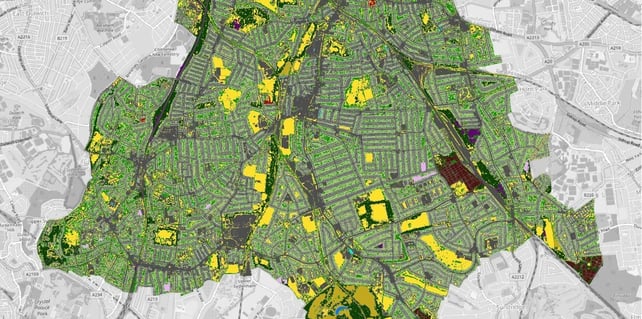
Under faster permitting timelines, environmental understanding that once emerged gradually is now expected earlier in the process.
This shift means:
-
Baseline environmental conditions need to be understood sooner
-
Potential impacts must be identified before designs are fully locked in
-
The scope of review is increasingly influenced by early evidence
Projects that enter NEPA review with limited environmental insight are more likely to encounter requests for additional information, supplemental analysis, or extended review.
Front-loading environmental understanding helps reduce this risk.
The growing importance of environmental baseline data under NEPA
.png?width=642&height=352&name=natwest%20(1).png)
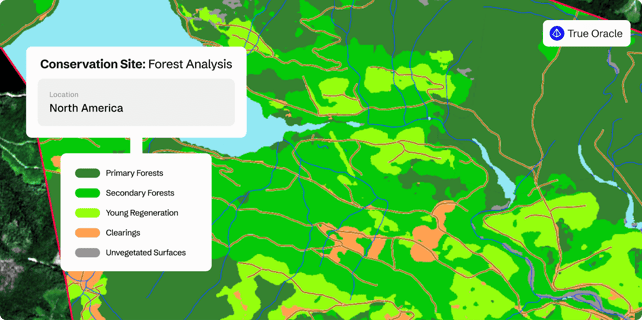
Environmental baseline data provides the foundation for NEPA analysis. It describes existing environmental conditions against which potential impacts are assessed.
Under faster timelines, high-quality baseline data helps:
-
Support clear determinations of significance
-
Inform the appropriate level of review (EA vs EIS)
-
Reduce the likelihood of late-stage surprises
-
Strengthen the defensibility of decisions if challenged
For a detailed explanation of what baseline data typically includes, see our guide on environmental baseline data required for federal permitting.
Early decisions shape the scope of NEPA review
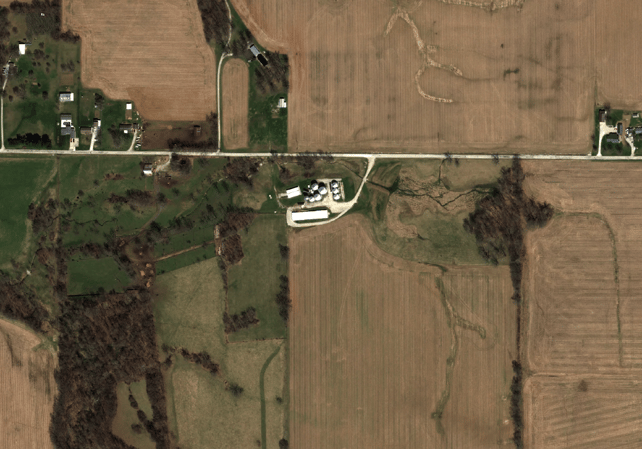
One of the most significant changes under faster permitting timelines is how much early project decisions influence NEPA outcomes.
Decisions about:
-
Site selection
-
Project footprint
-
Alignment or routing
-
Design alternatives
can significantly affect:
-
The level of environmental review required
-
The issues agencies focus on
-
The likelihood of further scrutiny
When environmental considerations are integrated early, NEPA reviews tend to progress more smoothly.
NEPA, risk, and permitting delays
NEPA reviews are often viewed as a source of delay. In reality, delays are more commonly caused by uncertainty, not by the NEPA process itself.
Common delay triggers include:
-
Incomplete baseline data
-
Late identification of sensitive habitats or species
-
Unclear assumptions or methodologies
-
Requests for supplemental analysis
Reducing uncertainty early helps projects move through NEPA review with fewer interruptions.
For a practical perspective on this, see our guide on reducing environmental permitting delays on infrastructure projects.
What this means for infrastructure and energy teams
For teams delivering federally permitted projects, faster NEPA timelines change how environmental review needs to be approached.
Key implications include:
-
Environmental understanding must start earlier
-
Evidence needs to be clearer and more defensible upfront
-
Site-wide context matters, not just the immediate footprint
-
Environmental review and design need to progress together
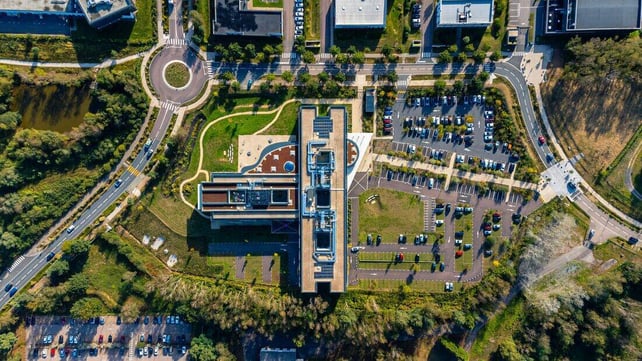
NEPA is becoming less of a standalone phase and more of an integrated part of project planning.
Looking ahead
NEPA environmental reviews are not becoming less important. They are becoming more time-sensitive and more dependent on early decisions.
As permitting frameworks evolve, projects that invest in early, high-quality environmental understanding are better positioned to:
-
Navigate faster timelines
-
Reduce risk of delay or challenge
-
Build confidence with regulators and stakeholders
-
Deliver infrastructure responsibly and efficiently
Understanding how NEPA reviews are changing is now a critical part of successful federal permitting.

Gentian empowers organisations to protect both ecosystems and operations by using satellite imagery and AI to deliver clear, defensible environmental insight early in the project lifecycle. This helps leaders manage nature-related risks, meet stakeholder expectations, and reduce uncertainty as permitting processes accelerate.
Ready to revolutionise your approach to federal permitting and nature-related risk? Take the next step towards streamlined, successful permitting and get in touch with a member of our team via the form below:

.jpg?width=400&height=250&name=istvan-hernek-mcVMjHFG3a4-unsplash%20(3).jpg)

.jpg?width=400&height=250&name=dominik-vanyi-Mk2ls9UBO2E-unsplash%20(1).jpg)