



We are seeing a shift in how projects get approved in the US
The recent passage of the SPEED Act in the US House of Representatives marks a significant moment in the long-running debate around permitting reform. At its core, the bill aims to reduce delays and uncertainty in federal permitting, particularly for large infrastructure, energy, and industrial projects.
For many US infrastructure and energy projects, environmental permitting is governed by the National Environmental Policy Act (NEPA). The SPEED Act signals a shift in how quickly NEPA reviews are expected to progress, without removing the obligation to submit robust environmental evidence.
This article breaks down what the SPEED Act signals for environmental review, and how organisations can adapt using better data, not looser standards.
Jump to Section:
- What the SPEED Act is trying to change
- Faster permitting does not mean lower environmental risk
- Why environmental data quality matters more than ever
- What this means for infrastructure, energy, and development teams
- Frequently asked questions about the SPEED Act and environmental permitting
- How Gentian supports faster, more confident environmental review
What the SPEED Act is trying to change

While the details may evolve as the bill moves through the Senate, the intent is clear.
The SPEED Act seeks to:
-
Shorten timelines for federal environmental reviews
-
Narrow the scope of projects that trigger the most extensive reviews
-
Reduce procedural uncertainty during permitting
-
Limit prolonged legal challenges once decisions are made
In practice, this means less time to gather evidence, less tolerance for incomplete submissions, and greater pressure on project teams to get it right early.
Environmental review is not disappearing. It is becoming faster, more front‑loaded, and more dependent on the quality of information submitted upfront.
Faster permitting does not mean lower environmental risk
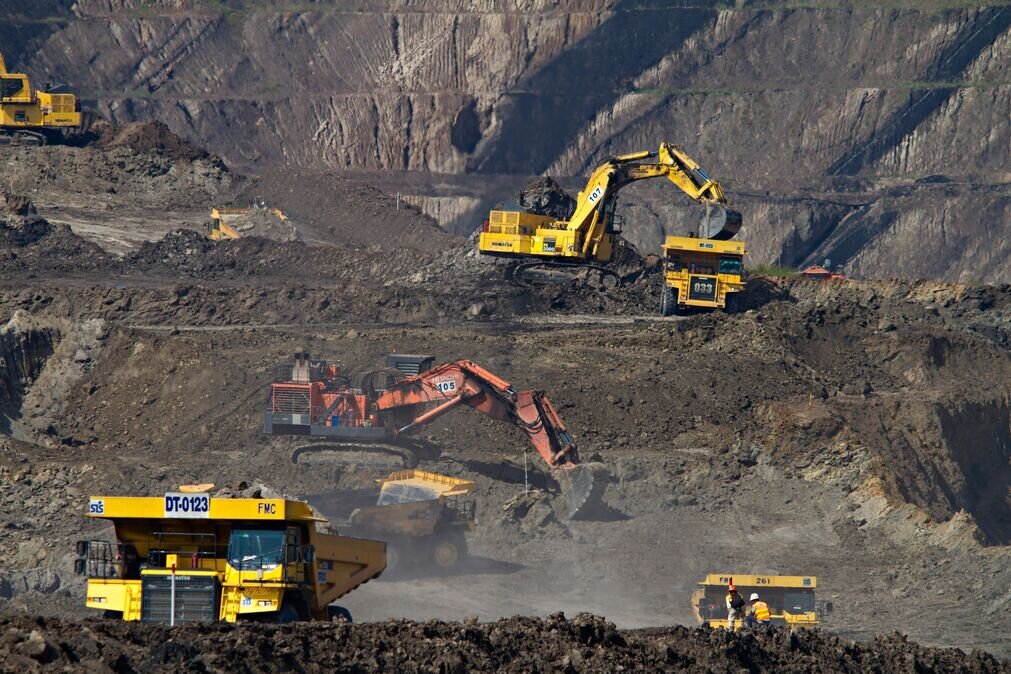
One misconception around permitting reform is that faster approval equals less environmental scrutiny. In reality, compressed timelines often increase risk for project owners.
Why?
-
Errors or gaps in early-stage environmental data are harder to fix later
-
Incomplete assessments can still delay projects if agencies reject submissions
-
Stakeholders and financiers increasingly expect robust biodiversity and nature-related evidence, regardless of minimum legal thresholds
As timelines shorten, the margin for uncertainty shrinks.
Why environmental data quality matters more than ever
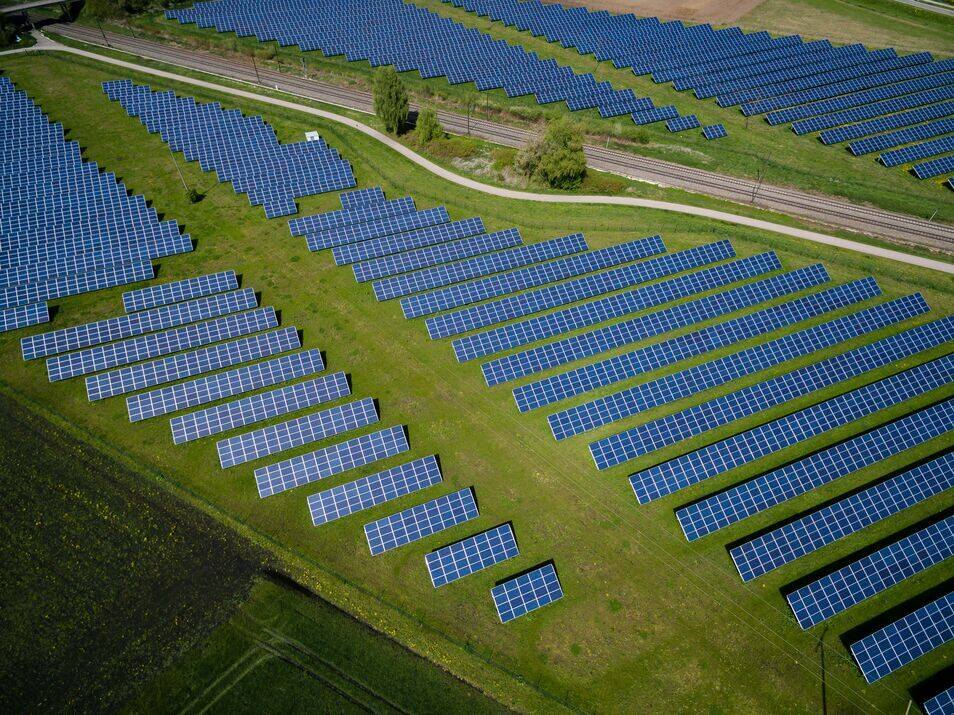
Under faster permitting regimes, environmental teams need to answer key questions quickly:
-
What habitats are present on site?
-
Where are the highest ecological sensitivities?
-
What risks could trigger further scrutiny or challenge?
-
How defensible is the evidence if decisions are questioned?
Traditional approaches often rely on phased surveys and manual scoping that take time to organise and interpret. Under tighter timelines, this can become a bottleneck.
High‑resolution, consistent, site‑wide environmental data allows teams to:
-
Identify risks earlier
-
Scope mitigation more efficiently
-
Focus fieldwork where it matters most
-
Submit clearer, more defensible documentation
Speed is not achieved by cutting corners. It is achieved by reducing uncertainty early.
What this means for infrastructure, energy, and development teams
For organisations likely to be impacted by the SPEED Act, a few strategic shifts are emerging.
1. Front‑load environmental understanding
Environmental considerations are moving earlier in the project lifecycle. Waiting until later stages to fully understand habitats or biodiversity risk increases the chance of delay.
Early, site‑wide insight helps teams avoid surprises when timelines are tight.
2. Expect higher scrutiny on completeness
Agencies operating under time pressure will rely heavily on whether submissions are complete and credible. Incomplete environmental information can still stop a project progressing.
Clear, consistent data is an advantage.
3. Prepare for stakeholder expectations beyond compliance
Even where regulation is streamlined, investors, insurers, and communities continue to expect transparency around environmental impact. Nature-related risk is increasingly a commercial consideration, not just a regulatory one.

Frequently asked questions about the SPEED Act, NEPA, and environmental permitting
Does the SPEED Act weaken federal environmental review requirements?
No. The SPEED Act focuses on timelines and process, not on removing environmental obligations. Federal agencies still require robust environmental evidence to support permitting decisions.
In practice, this means environmental review is becoming more front-loaded. Project teams have less time to gather, refine, and correct information, making the quality and completeness of early environmental data more important than ever.
How does the SPEED Act affect NEPA reviews?
Many US infrastructure and energy projects are subject to review under the National Environmental Policy Act (NEPA). While the SPEED Act does not remove NEPA requirements, it signals a push toward faster decision-making and reduced procedural delay.
This places greater emphasis on early environmental baseline data to support timely NEPA determinations.
For project teams, this increases pressure to:
-
-
Identify environmental risks earlier
-
Submit complete and defensible documentation upfront
-
Avoid gaps that could trigger further review or challenge
-
NEPA compliance remains essential, but expectations around speed are increasing. For a deeper look at how NEPA environmental reviews are evolving under faster permitting timelines, see our guide on how NEPA environmental reviews are changing under faster permitting timelines.
Will faster permitting increase environmental risk for project developers?
Potentially, yes, if environmental understanding is incomplete.
Compressed timelines reduce the opportunity to revisit early assumptions. If habitat presence, ecological sensitivity, or biodiversity risk is poorly understood at the outset, projects may still face delays, rejection, or reputational risk later.
Faster permitting does not eliminate environmental risk. It shifts risk earlier in the project lifecycle.
What environmental data is most important under faster permitting timelines?
Under accelerated permitting, decision-makers and regulators need clarity on:
-
-
Habitat types and condition across the site
-
Areas of higher ecological sensitivity
-
Potential biodiversity or nature-related risks
-
The defensibility of the evidence used to support decisions
-
Consistent, site-wide environmental baseline data helps teams prioritise fieldwork, scope mitigation efficiently, and submit clearer documentation under time pressure.
For a detailed breakdown of environmental baseline data typically required for federal permitting, including habitat and biodiversity data, see our guide on environmental baseline data for federal permitting.
How can organisations reduce permitting delays without lowering environmental standards?
The most effective way to move faster is not by cutting corners, but by reducing uncertainty early.
This includes:
-
-
Gaining site-wide environmental insight at the start of a project
-
Identifying risks before detailed design decisions are locked in
-
Supporting assessments with transparent, repeatable data
-
High-quality environmental data enables teams to respond quickly, make confident decisions, and progress through permitting with fewer surprises. For a practical breakdown of how infrastructure teams can reduce environmental permitting delays in practice, see our guide on reducing environmental permitting delays on infrastructure projects.
How Gentian supports faster, more confident environmental review

Gentian provides high-resolution habitat and environmental insights using satellite imagery and AI, supporting environmental baseline assessments and permitting decisions when time and clarity matter.
Our approach helps teams:
-
Understand habitat presence and condition at site and portfolio scale
-
Generate consistent baseline data across large or complex assets
-
Identify ecological risks early in the planning process
-
Support environmental documentation with transparent, repeatable evidence
.png?width=642&height=352&name=natwest%20(1).png)
Rather than replacing fieldwork or regulatory processes, Gentian helps teams use them more effectively, focusing effort where it has the greatest impact.
In a faster permitting landscape, this kind of early insight can be the difference between momentum and delay.
Looking ahead

The SPEED Act reflects a broader global trend: governments want infrastructure delivered faster, while society expects better environmental outcomes.
These goals do not have to be in conflict.
Organisations that invest in early, high‑quality environmental understanding are better placed to move quickly, reduce risk, and demonstrate responsibility, even as permitting frameworks evolve.
Gentian empowers organisations to protect both ecosystems and operations. Leaders powered by Gentian are better equipped to manage nature-related risks, meet stakeholder expectations, and lead in sustainability innovation.
Ready to revolutionise your approach to federal permitting and nature-related risk? Take the next step towards streamlined, successful permitting and get in touch with a member of our team via the form below:
Cover photo credit: mark reinstein / Shutterstock

.jpg?width=400&height=250&name=istvan-hernek-mcVMjHFG3a4-unsplash%20(3).jpg)

.jpg?width=400&height=250&name=dominik-vanyi-Mk2ls9UBO2E-unsplash%20(1).jpg)