


.jpg?width=1600&height=1000&name=istvan-hernek-mcVMjHFG3a4-unsplash%20(3).jpg)
Environmental permitting delays are one of the most common risks facing infrastructure projects in the United States.
For project developers, utilities, and public bodies, delays can increase costs, disrupt schedules, and create uncertainty across financing and delivery. As federal permitting timelines shorten and expectations around speed increase, avoiding delay has become less about moving faster at the end of the process and more about getting the fundamentals right early in the project lifecycle.
This article explores why environmental permitting delays occur, and how infrastructure teams can reduce them without lowering environmental standards.
Jump to Section:
- Why environmental permitting delays happen
- Faster permitting increases the cost of uncertainty
- Front-loading environmental understanding
- The role of environmental baseline data
- Site-wide insight matters for infrastructure projects
- Reducing delays without cutting corners
- What this means in a faster permitting landscape
Why environmental permitting delays happen
.jpg?width=642&height=428&name=eowynring-2InRqGTRwME-unsplash%20(1).jpg)
Permitting delays are rarely caused by a single issue. More often, they emerge from gaps or uncertainty that surface during review.
Common causes include:
-
Incomplete environmental information submitted upfront
-
Late discovery of sensitive habitats or biodiversity risks
-
Inconsistent data across large or complex sites
-
Additional scrutiny triggered by unclear assumptions or methods
-
Requests for clarification or supplementary studies from regulators
Under traditional permitting approaches, these issues may be identified gradually. Under faster permitting regimes, they are more likely to stall progress.
Faster permitting increases the cost of uncertainty
One misconception is that faster permitting automatically reduces environmental scrutiny. This shift is part of a broader trend in federal permitting reform, including recent changes proposed under the SPEED Act. In reality, compressed timelines leave less room to resolve uncertainty later.
When review periods are shorter:
-
Regulators rely more heavily on the completeness of submissions
-
Gaps in environmental data are harder to correct
-
Late-stage surprises can trigger additional review or redesign
-
Project teams have fewer opportunities to revisit early assumptions
Reducing delay therefore depends on reducing uncertainty as early as possible in the process.
Front-loading environmental understanding
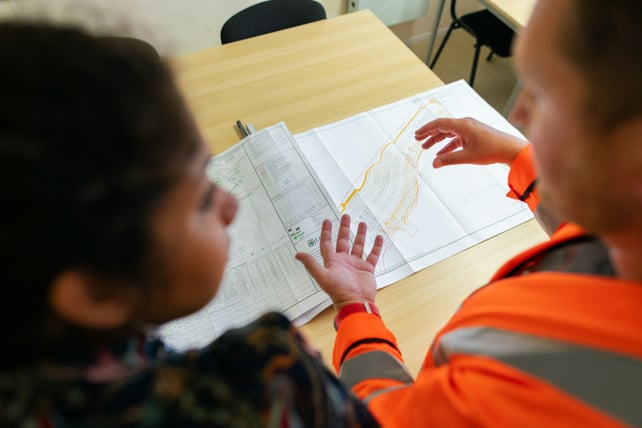
Infrastructure projects that progress smoothly through permitting tend to share one characteristic: early environmental understanding across the entire site.
Front-loading environmental insight allows teams to:
-
Identify ecological constraints before designs are fixed
-
Understand where risk is highest across large or linear assets
-
Scope surveys and mitigation more efficiently
-
Align environmental review with engineering and planning timelines
Waiting until later stages to fully understand environmental conditions increases the likelihood of delay, particularly under tighter review schedules.
The role of environmental baseline data
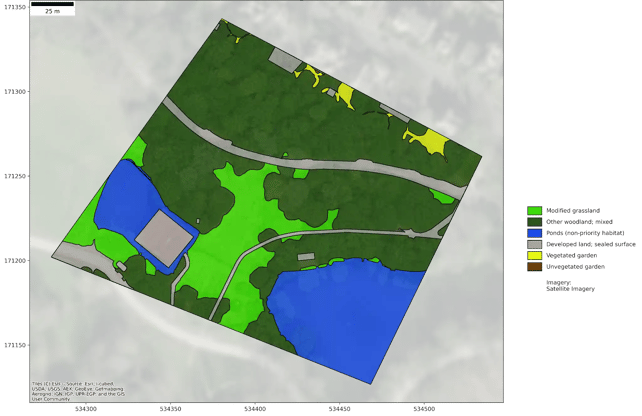
Environmental baseline data provides the foundation for permitting decisions. It describes existing environmental conditions and gives regulators the context needed to assess potential impacts.
High-quality baseline data helps reduce permitting delays by:
-
Supporting clearer, more complete submissions
-
Minimising requests for additional information
-
Helping regulators reach decisions with confidence
-
Reducing the risk of challenge due to data gaps
For a detailed explanation of what baseline data typically includes, see our guide on environmental baseline data required for federal permitting.
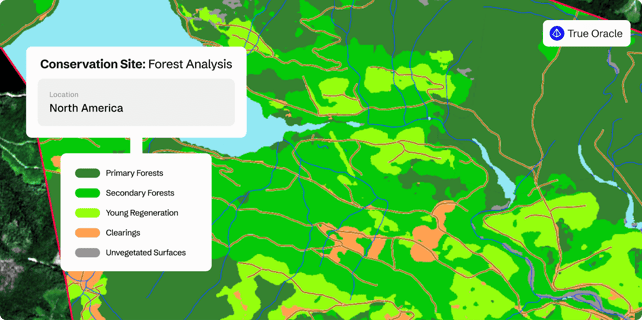
Site-wide insight matters for infrastructure projects
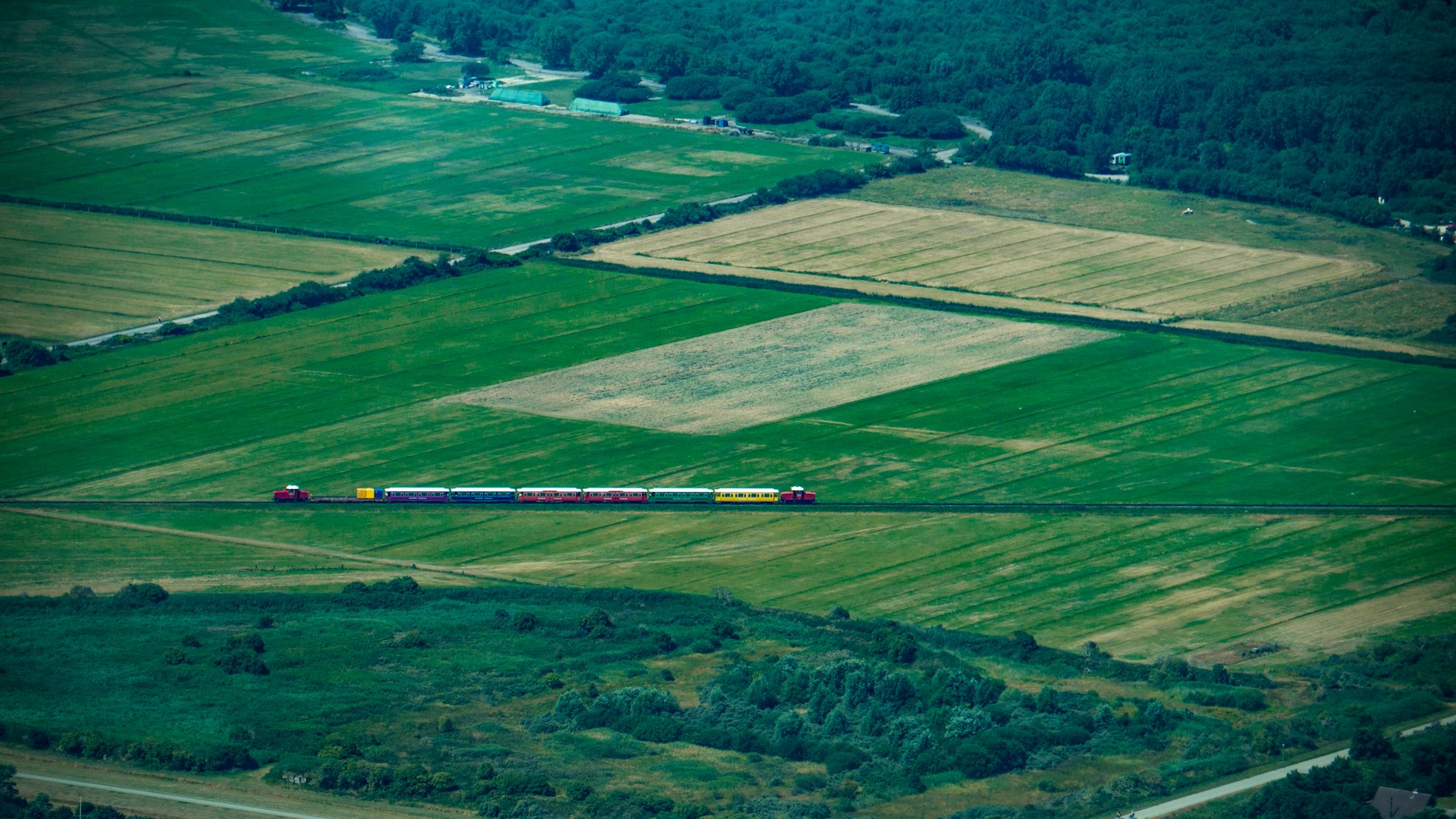
Infrastructure projects often span large or dispersed areas, from transport corridors to energy networks.
In these cases, environmental understanding limited to small sections of a site can create blind spots. Regulators increasingly expect:
-
Consistent data across the full project area
-
Awareness of adjacent habitats and land uses
-
Consideration of cumulative environmental context
Site-wide environmental insight helps teams anticipate issues before they arise and reduces the likelihood of late-stage review delays.
Reducing delays without cutting corners
The most effective way to reduce environmental permitting delays is not by lowering standards, but by making better decisions earlier.
This includes:
-
Establishing a clear environmental baseline at the start of a project
-
Identifying risks before detailed design decisions are locked in
-
Using transparent, repeatable data to support assessments
-
Focusing fieldwork where it is most needed
-
Responding quickly and confidently to regulator questions
Speed is not achieved by rushing submissions. It is achieved by reducing uncertainty throughout the process.
What this means in a faster permitting landscape
As federal permitting frameworks evolve, infrastructure teams face increasing pressure to deliver projects quickly while maintaining robust environmental review.
Organisations that invest early in environmental understanding are better positioned to:
-
Navigate faster permitting timelines
-
Reduce environmental and commercial risk
-
Avoid avoidable delays
-
Build confidence with regulators, investors, and stakeholders
Environmental permitting is not becoming less important. It is becoming more time-sensitive and more front-loaded. This is particularly true for projects subject to NEPA review, where early environmental evidence increasingly shapes permitting outcomes.
Looking ahead
Permitting delays will continue to be a critical risk for infrastructure projects, particularly as regulatory expectations around speed increase.
Teams that treat environmental understanding as a strategic input, rather than a procedural hurdle, are more likely to move through permitting efficiently and responsibly.
Reducing delay is not about doing less environmental work. It is about doing the right work, at the right time.
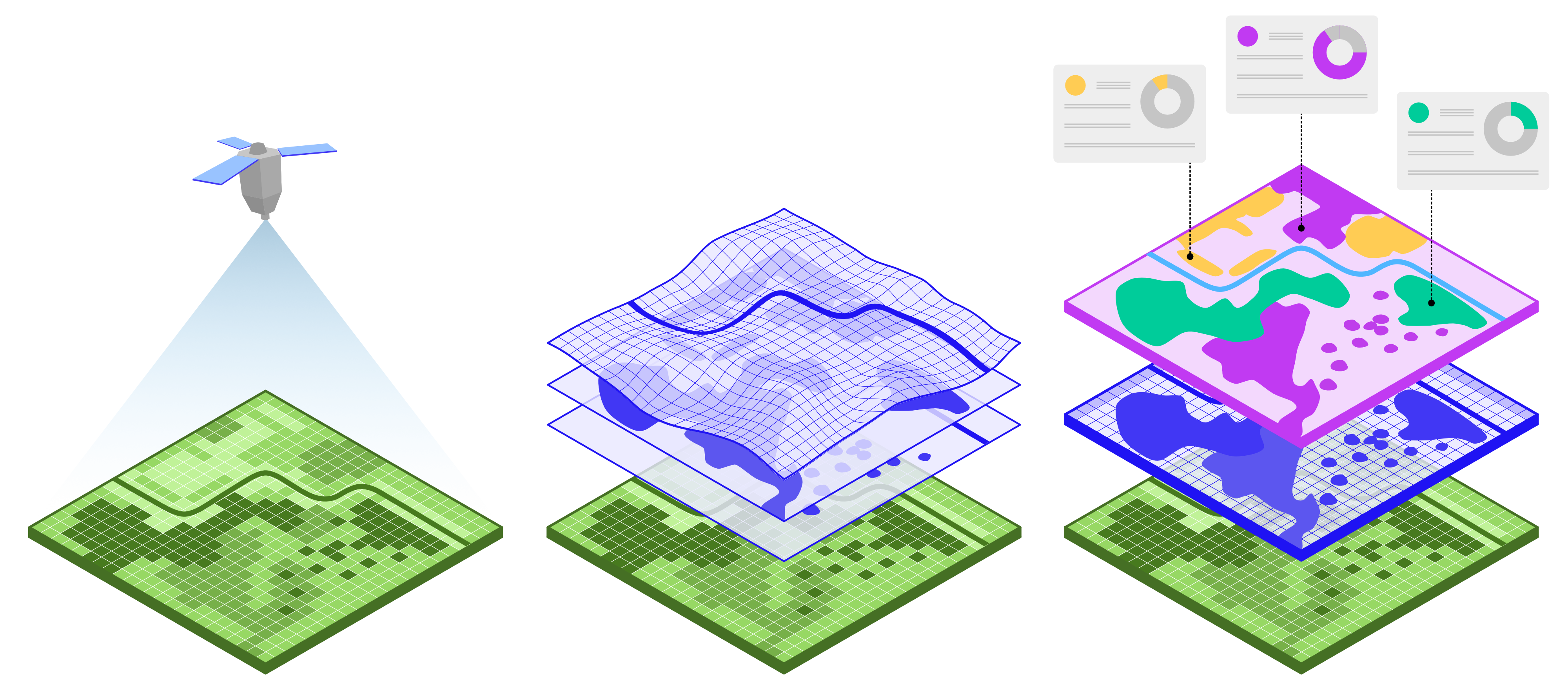
Gentian empowers organisations to protect both ecosystems and operations by using satellite imagery and AI to deliver clear, defensible environmental insight early in the project lifecycle. This helps leaders manage nature-related risks, meet stakeholder expectations, and reduce uncertainty as permitting processes accelerate.
Ready to revolutionise your approach to federal permitting and nature-related risk? Take the next step towards streamlined, successful permitting and get in touch with a member of our team via the form below:


.jpg?width=400&height=250&name=dominik-vanyi-Mk2ls9UBO2E-unsplash%20(1).jpg)