



For infrastructure, energy, and industrial projects in the United States, federal permitting depends on one foundational requirement: clear, defensible environmental baseline data that describes existing environmental conditions.
Whether a project is subject to review under the National Environmental Policy Act (NEPA) or other federal frameworks, decision-makers must understand the existing environmental conditions of a site before impacts can be assessed, mitigated, or approved.
As federal permitting timelines shorten under recent permitting reform efforts, and expectations around speed increase, the role of environmental baseline data becomes even more critical.
This article explains what environmental baseline data and environmental data for permitting are typically required for federal permitting, why they matter, and how project teams can reduce risk by getting it right early.
Jump to Section:
- What is environmental baseline data?
- Why baseline data matters for federal permitting
- Core types of environmental baseline data for permitting
- Common challenges with traditional baseline data approaches
- How early environmental data reduces permitting risk
- Environmental baseline data for infrastructure projects
What is environmental baseline data?
.png?width=642&height=352&name=natwest%20(1).png)
Environmental baseline data describes the current state of the environment before a project begins.
It provides the reference point against which potential impacts are evaluated and is used by regulators to determine:
-
Whether impacts are significant
-
What mitigation may be required
-
Whether further review is necessary
Without a credible baseline, environmental assessments lack context and can be challenged, delayed, or rejected.
Why baseline data matters for federal permitting

For federal agencies, baseline data underpins almost every permitting decision.
It is used to:
-
Inform Environmental Assessments (EAs) and Environmental Impact Statements (EISs)
-
Determine whether impacts are avoidable or mitigable
-
Support findings of no significant impact (FONSI), where applicable
-
Demonstrate that environmental risks have been properly considered
Under faster permitting regimes, there is less tolerance for uncertainty. Incomplete or inconsistent baseline data can still halt progress, even when review timelines are compressed.
Core types of environmental baseline data for permitting
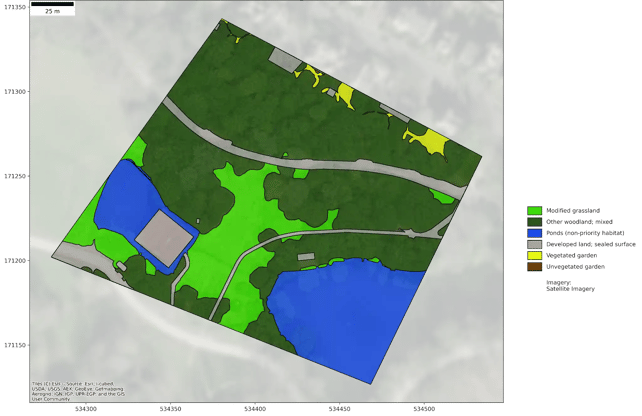
While requirements vary by project type and location, federal permitting processes typically rely on several core categories of environmental data.
1. Habitat and land cover data
Understanding what habitats are present on a site is a fundamental requirement.
This often includes:
-
Habitat types and extent
-
Land cover classification
-
Condition or quality indicators, where available
-
Connectivity to surrounding habitats
For infrastructure projects, habitat data helps regulators assess potential biodiversity impacts and identify areas of higher ecological sensitivity early in the process.
2. Biodiversity and ecological sensitivity
Baseline assessments commonly need to identify:
-
Areas of higher biodiversity value
-
Sensitive or priority habitats
-
Potential presence of protected or at-risk species
-
Ecological features that may require avoidance or mitigation
Even when detailed species surveys occur later, early biodiversity insight helps scope the level of review required and reduces the risk of surprises.
3. Site-wide environmental context
Federal agencies often require a site-wide understanding, not just data limited to the immediate footprint of a project.
This can include:
-
Adjacent habitats and land uses
-
Landscape-scale context
-
Cumulative environmental considerations
Environmental data for permitting must be consistent across the entire site to support defensible decision-making.
4. Defensibility and documentation
Beyond the data itself, regulators assess:
-
How data was generated
-
Whether methods are transparent and repeatable
-
Whether assumptions are clearly stated
-
Whether information can withstand scrutiny if decisions are challenged
Environmental baseline data must therefore be not only accurate, but also traceable and defensible.
Common challenges with traditional baseline data approaches
Many projects still rely on phased surveys and manual scoping conducted late in the planning process.
Under tighter timelines, this can create challenges:
-
Data collection takes time to organise and interpret
-
Gaps may only be discovered after submissions are made
-
Inconsistent methods across large sites can weaken confidence
-
Late-stage findings can trigger additional review or redesign
These challenges become more pronounced as permitting processes move faster.

How early environmental data reduces permitting risk
High-quality, site-wide environmental baseline data collected early in the project lifecycle helps teams:
-
Identify ecological risks before designs are fixed
-
Focus field surveys where they are most needed
-
Prepare more complete and credible submissions
-
Respond quickly to regulator questions
-
Reduce the likelihood of delay caused by data gaps
Speed is not achieved by cutting corners. It is achieved by reducing uncertainty early.
Environmental baseline data for infrastructure projects
%20(1).jpg?width=642&height=361&name=mario-scheibl-i9DnFeTXNkE-unsplash%20(1)%20(1).jpg)
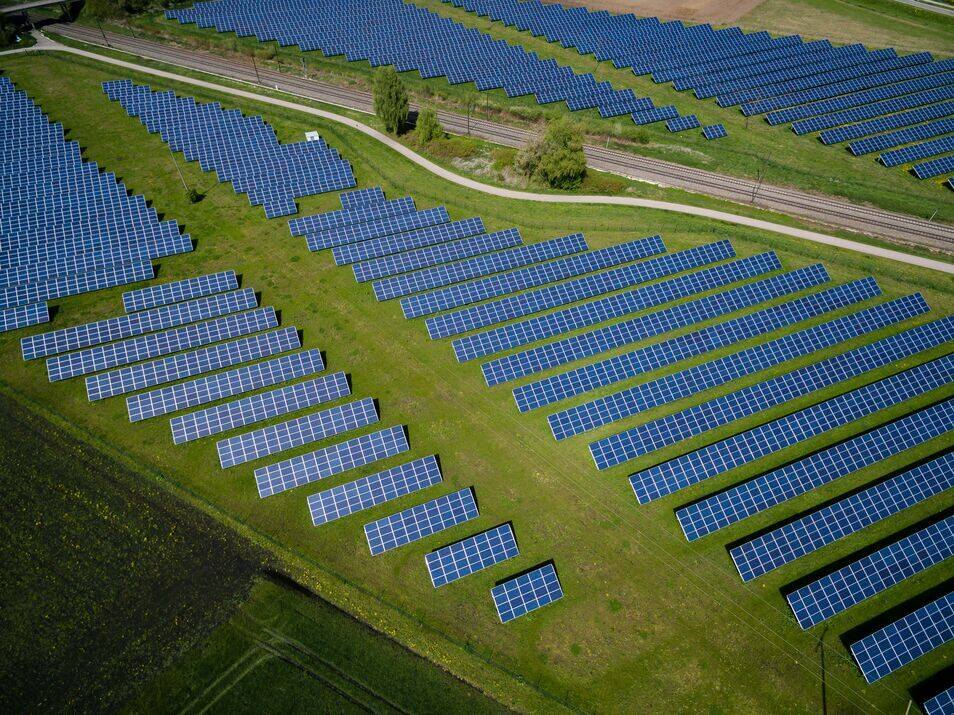
For infrastructure and energy developments, the scale and complexity of sites often make early insight especially valuable.
Habitat data for infrastructure projects allows teams to:
-
Understand environmental constraints across linear or dispersed assets
-
Compare risks across portfolios
-
Plan mitigation strategically rather than reactively
-
Align environmental review with engineering and design timelines
This integrated approach supports smoother progression through federal permitting.

Looking ahead
As federal permitting frameworks evolve, expectations around environmental evidence are not diminishing. They are becoming more time-sensitive and more front-loaded.
Organisations that invest in early, high-quality environmental baseline data are better positioned to:
-
Navigate faster permitting processes
-
Reduce environmental and commercial risk
-
Build confidence with regulators and stakeholders
Clear environmental understanding is no longer just a compliance requirement. It is a strategic advantage.

Gentian empowers organisations to protect both ecosystems and operations. Leaders powered by Gentian are better equipped to manage nature-related risks, meet stakeholder expectations, and lead in sustainability innovation.
Ready to revolutionise your approach to federal permitting and nature-related risk? Take the next step towards streamlined, successful permitting and get in touch with a member of our team via the form below:
Cover photo credit: mark reinstein / Shutterstock
.jpg?width=400&height=250&name=istvan-hernek-mcVMjHFG3a4-unsplash%20(3).jpg)


.png?width=400&height=250&name=Untitled%20(26).png)